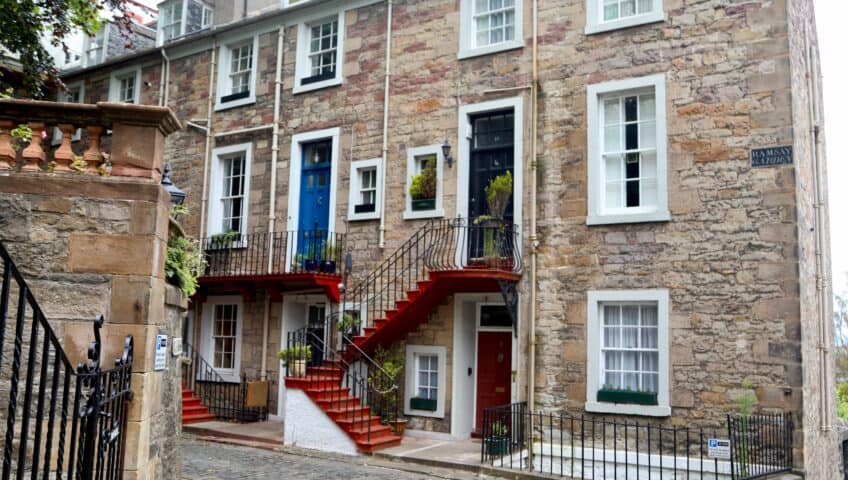
Gable walls are an essential load bearing component of many buildings in London, providing stability and and support to the roof rafters and tiles. Over time, these walls can deteriorate due to various factors such as weathering, moisture, and structural movement. It is crucial to understand the importance of gable wall repair in London to maintain the structural integrity of the building.
Neglecting gable wall issues can lead to further damage, compromising the safety and stability of the entire structure.Therefore, timely and effective gable wall repair is essential to ensure the longevity and safety of the building. Gable wall repair is not only about fixing visible damage but also addressing underlying issues that may compromise the structural integrity of the wall.
Professional assessment and repair of gable walls are crucial to identify and rectify any potential problems before they escalate. By understanding the significance of gable wall repair, property owners can take proactive measures to address any issues and ensure the long-term stability of their buildings.
Summary
- Gable wall repair is crucial for maintaining the structural integrity and aesthetic appeal of your property in London.
- Common issues with gable walls in London include water damage, cracks, and deterioration of mortar, bricks and the wall pulling away from the main building.
- When looking for a professional for gable wall repairs, it’s important to consider their experience, qualifications, and reputation.
- Cost considerations for gable wall repair in London may include materials, labour, and any additional structural work required.
- The process of gable wall repair in London typically involves an assessment, preparation, repair work, and finishing to ensure the longevity of the repair.
Common Issues with Gable Walls in London
Exterior Wall Pulling Away From Main Building
On Victorian London Property’s the side flank gable wall has a tendency to pull away from the main structure of the building, this due to insufficient lateral restraint, tying the wall to the main building.
Brickwork Deterioration
One prevalent problem is brickwork deterioration, which can be caused by exposure to harsh weather conditions, moisture penetration, or poor construction practices. This deterioration can lead to cracks, spalling, and overall weakening of the gable wall.
Mortar Joints and Flashing Issues
Additionally, inadequate or deteriorating mortar joints can contribute to the instability of the wall, requiring professional repair to prevent further damage. Another common issue with gable walls in London is the presence of damaged or deteriorating flashing. Flashing is a crucial component that prevents water infiltration at the junctions between the gable wall and the roof.
Consequences of Neglect
When flashing becomes damaged or ineffective, it can lead to water seepage, causing moisture-related issues such as dampness and mould growth within the building. Identifying and addressing these common issues with gable walls in London is essential for maintaining the structural integrity and longevity of the building.
Finding the Right Professional for Gable Wall Repairs
When it comes to gable wall repairs in London, finding the right professional is paramount to ensuring quality workmanship and long-term structural stability. It is essential to engage a reputable and experienced contractor or structural engineer who specialises in gable wall repairs. A qualified professional will conduct a thorough assessment of the gable wall, identify underlying issues, and recommend appropriate repair solutions tailored to the specific needs of the building.
Property owners should seek professionals with a proven track record in gable wall repairs, preferably with relevant certifications and accreditations. Additionally, obtaining references and reviewing past projects can provide valuable insights into the expertise and reliability of potential contractors. By choosing the right professional for gable wall repairs, property owners can have confidence in the quality of work and the long-term stability of their buildings.
Cost Considerations for Gable Wall Repair in London
The cost of gable wall repair in London can vary depending on the extent of damage, the size of the gable wall, and the specific repair requirements. Factors such as access to the gable wall, material costs, and labour expenses also contribute to the overall cost of repairs. Property owners should budget for potential additional expenses that may arise during the repair process, such as addressing underlying structural issues or implementing preventive measures to avoid future damage.
It is advisable to obtain a quote from reputable professional like London structural repairs for gable wall repairs. While cost considerations are important, it is equally crucial to prioritise quality and expertise when selecting a contractor for gable wall repairs. Investing in high-quality repairs by experienced professionals can ultimately save money in the long run by preventing further damage and ensuring the longevity of the gable wall.
The Process of Gable Wall Repair in London
The process of gable wall repair in London typically begins with a comprehensive assessment conducted by a qualified professional. This assessment involves identifying the root causes of any visible damage, evaluating the structural integrity of the gable wall, and determining the most appropriate repair solutions. Depending on the findings, repair methods may include installing lateral restraint ties or straps, repointing deteriorated mortar joints, replacing damaged bricks, addressing flashing issues, or implementing structural reinforcements as necessary.
Once a detailed assessment is completed, the repair process involves careful removal of damaged materials, preparation of surfaces, and precise application of repair solutions. Professional contractors utilise specialised tools and techniques to ensure that repairs are carried out effectively and in accordance with industry standards. Throughout the repair process, attention is given to maintaining the aesthetic appeal of the gable wall while prioritising its structural stability and longevity.
Maintaining the Integrity of Your Gable Wall After Repair
Regular Inspections: The Key to Identifying Potential Issues
Regular inspections of the gable wall should be conducted to identify any signs of deterioration or potential issues that may require attention. This proactive approach enables property owners to address any problems promptly, thereby preventing further damage and reducing the risk of costly repairs.
Addressing External Factors: A Vital Component of Maintenance
Additionally, addressing any external factors that could contribute to future damage, such as improving drainage systems or protecting against weather exposure, can help maintain the longevity of the repaired gable wall. By taking these measures, property owners can significantly reduce the risk of future problems and ensure the continued stability of their buildings.
Seeking Professional Advice: Ensuring Ongoing Maintenance and Support
Property owners should also consider consulting with professionals for ongoing maintenance advice and periodic assessments to ensure that the repaired gable wall remains structurally sound. By prioritising proactive maintenance and addressing any emerging issues promptly, property owners can safeguard their investment in gable wall repairs and maintain the long-term stability of their buildings.